
DANCE
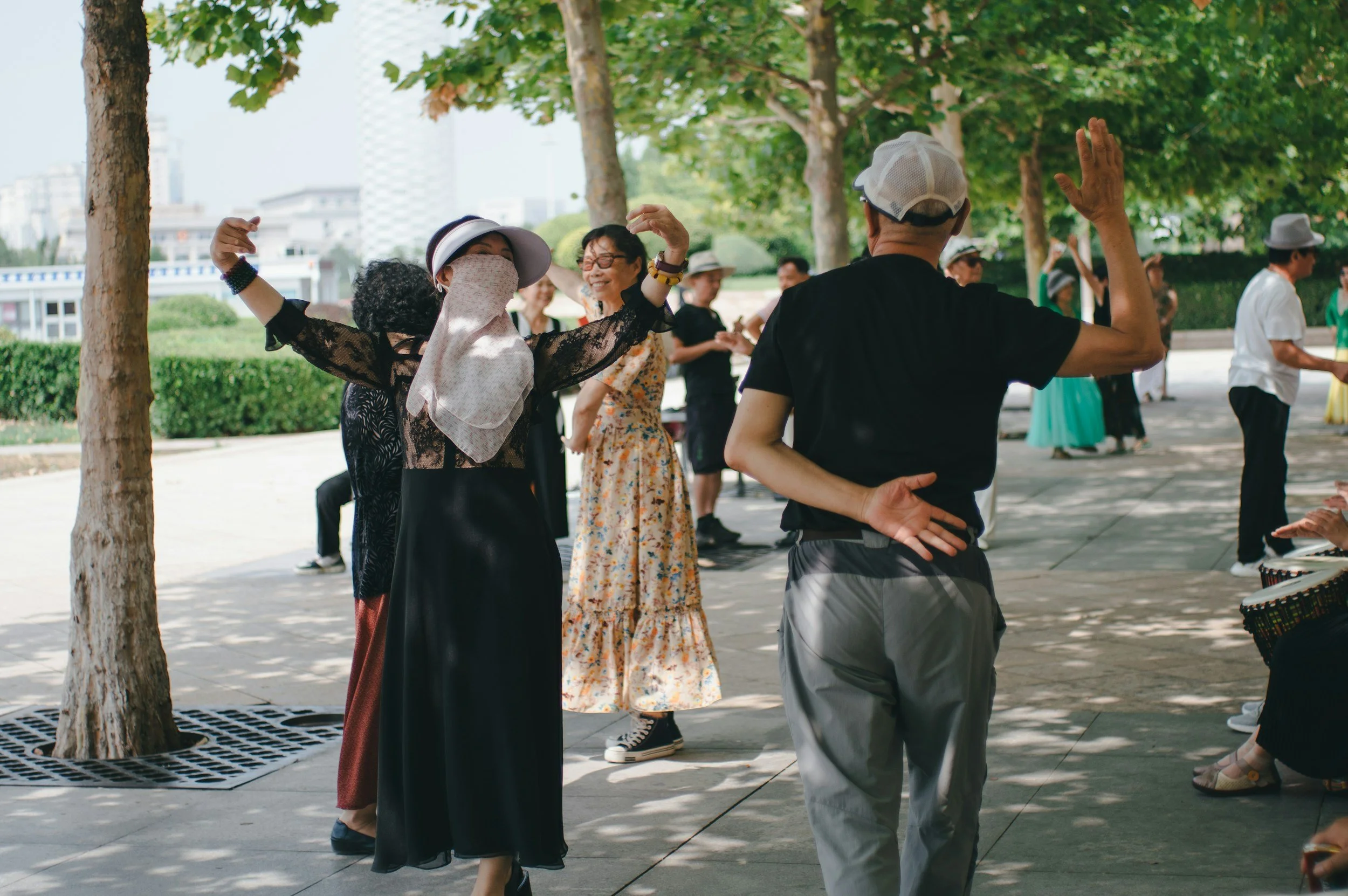
DANCE IS MEDICINE
Dance isn’t just fun— it is healing. The research speaks for itself. Studies reveal benefits for individuals with neurological conditions ranging from improvements in cognition, motor skills, mood and social connectedness.
Regular participation in dance facilitates neural activation of Parkinson’s impaired sensory-motor areas, including tremor reduction. A longitudinal study of weekly participation in dance classes demonstrated slowed motor symptom progression measured by gait, speed, balance, stability. This study reveals preliminary evidence that targeted dance intervention may specifically counter bradykinesia resulting in quicker walking speed.
Participation in dance not only results in maintience of motor function, research has also demonstrated significant improvements in social inclusion, self efficacy, self esteem and improved neuroplasticity and global cognitive skills including executive functioning, memory, processing speed, attention and sequencing skills therefore offering protective benefits against development of dementia.
Research has also demonstrated improvements in psychological symptoms including depression and anxiety. This study reveals the impact of weekly participation in community dance groups resulting in significant reductions in depression scores and decreased activity in a key brain region involved in emotional regulation and depression. These findings suggest that dance interventions may promote neural changes that help alleviate depression in people with Parkinson’s Disease, offering an alternative approach to managing non-motor symptoms.

Already participating in other forms of exercise or mind body practices? I invite you to consider yourself as the athlete, the fighter you are. I also invite you to take a moment to consider — what is it you are fighting for? Longevity, independence, relationships… And just as elite athletes pour their all into their craft, you’re invited, dare I say called to showing up with that same level of commitment to your own health.
Athletes don’t just train — they cross-train. A boxer might take ballet to sharpen balance and footwork. A runner might practice yoga to build flexibility and focus. Why? Because each discipline enhances the other. Cross-training gives them the edge — and it can do the same for you.
When you begin to treat exercise as medicine — intentional, consistent, and vital — every movement becomes an act of resilience. You’re not just exercising. You’re training with purpose to preserve your independence.